Rising Tide of Single Motherhood in Bukedi Sparks Urgent Call for Action
By Alfred Opio
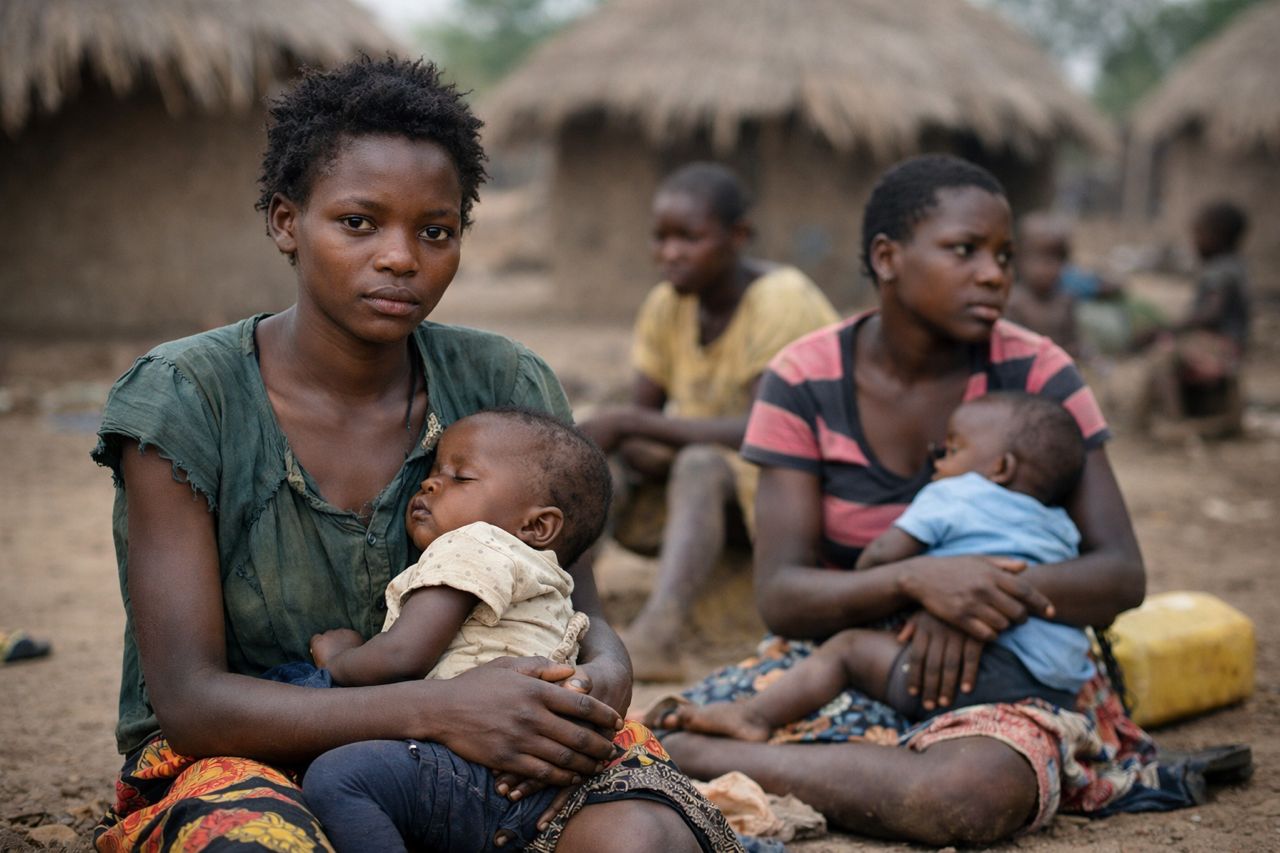
A growing social concern is unfolding across Bukedi sub-region—one that is quietly reshaping communities, straining households, and challenging development efforts. The increasing number of single mothers, particularly among teenage girls, is now raising alarm among stakeholders and development partners.
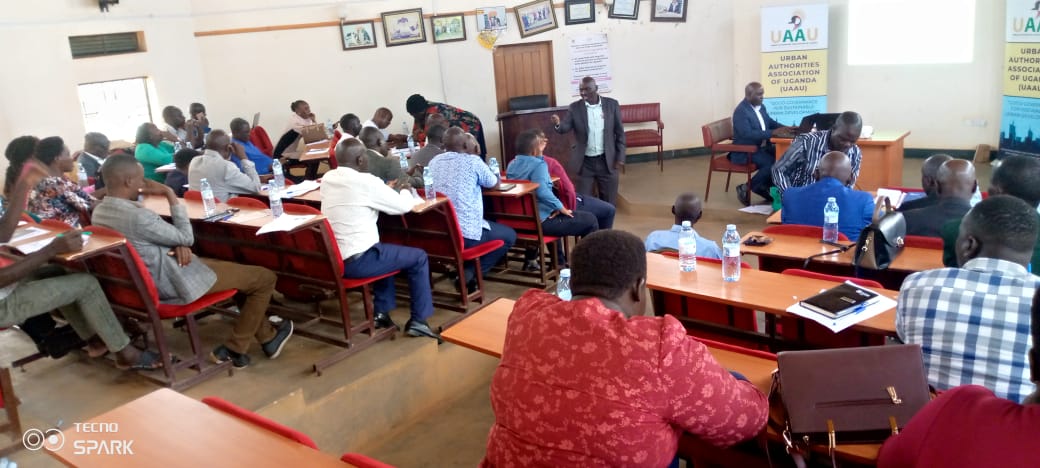
Moses Kagwa Amiel, Programs Director at Citizen Initiative for Democracy and Development Uganda (CIID-U), based in Pallisa Town, describes the situation as a growing crisis that requires urgent and coordinated intervention.
❝ “When you move through our centers, these young women are often referred to as ‘comebacks,’ but behind that label lies a deeper problem that we must confront.” ❞
— Moses Kagwa Amiel
According to data from the Uganda Bureau of Statistics (UBOS), Bukedi has a population of approximately 2.3 million people, with women accounting for about 53.3 percent. However, recent findings by CIID Uganda indicate that nearly 29.5 percent of girls aged between 15 and 19 are already single mothers, while an additional 3.6 percent are currently pregnant.
❝ “These figures are not just numbers—they represent lives disrupted and futures altered. We are seeing a cycle where young girls drop out of school, enter unstable relationships, and eventually become single mothers.” ❞
— Moses Kagwa Amiel
Education is among the sectors most affected. In Pallisa District, only about 48 percent of girls who enroll in Primary One complete the full primary cycle, meaning over half drop out before finishing. Many of these cases are linked to early pregnancies and forced or premature marriages.
The statistics further reveal that approximately 31,000 young people in Bukedi have already been married off—representing about 31.2 percent of the youth population. Many of these marriages collapse early, leaving young women separated, divorced, or abandoned with children to raise on their own.
At the core of the crisis is poverty. UBOS data shows that Bukedi’s poverty rate stands at 34.7 percent, significantly higher than the national average of 20.3 percent. Around 80 percent of households rely on subsistence farming, limiting their ability to sustain stable incomes or support education.
❝ “Poverty is at the center of this issue. When families cannot sustain basic needs, education becomes a luxury, and young girls become vulnerable to early marriages and pregnancies.” ❞
— Moses Kagwa Amiel
The region also records a high fertility rate of 6.5, with teenage motherhood contributing nearly 30 percent. Many young mothers are left to fend for themselves as men either migrate in search of work, abandon their responsibilities, or succumb to risks associated with informal livelihoods.
Gender inequality continues to worsen the situation. Limited access to land ownership restricts women’s ability to access credit or establish sustainable businesses. As a result, many single mothers resort to small-scale survival activities such as selling snacks or local brew, while others are pushed into more vulnerable situations.
Limited access to family planning services and information further deepens the crisis, exposing young women to repeated unplanned pregnancies.
Despite these challenges, efforts are underway to reverse the trend. CIID Uganda is implementing programs focused on empowering young mothers through digital skills training and vocational education, including tailoring, metal fabrication, and entrepreneurship.
❝ “We cannot change the fact that they are already single mothers, but we can change their future by giving them the tools to survive and thrive.” ❞
— Moses Kagwa Amiel
The organization is also advocating for stronger collaboration with government initiatives such as the Presidential Industrial Hubs to expand opportunities for youth skills development.
Amiel emphasized the need for a holistic approach that integrates education, economic empowerment, and social support systems, while also calling for full implementation of the competence-based curriculum to equip learners with practical skills.
❝ “This is not just a government issue—it is a community issue. We must all come together—parents, leaders, and stakeholders—to protect our girls, empower our women, and secure the future of our region.” ❞
— Moses Kagwa Amiel
As Bukedi grapples with this growing challenge, stakeholders warn that without urgent and coordinated action, the cycle of poverty, school dropout, and single motherhood will continue to affect generations of young women across the region.