By Alfred Opio
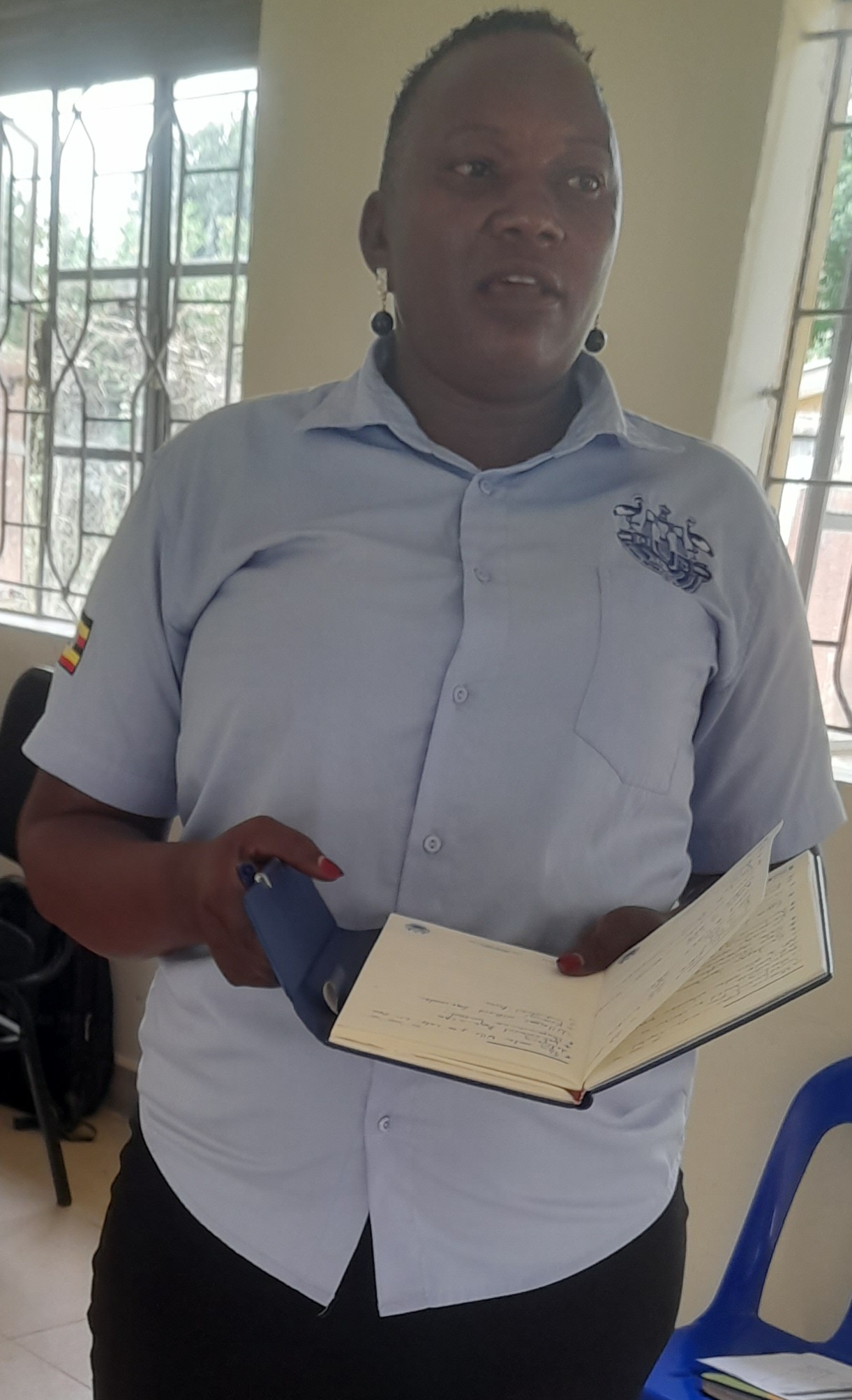
PALLISA — The Pallisa District Water Manager, Diana Asego, has raised concern over increasing unpaid water bills, blaming the working class for what she describes as a growing culture of non-compliance that is undermining service delivery.
Speaking on the issue, Asego said it is both surprising and disappointing that individuals with stable incomes are among the biggest defaulters, while low-income households remain more consistent in settling their bills.
“The working class is where I have a problem of bill payment,” Asego said. “Those you think cannot afford are the ones paying. But the elites who are working want to consume water and undermine the bills.”
She attributed the trend to poor financial discipline and negative attitudes toward public utilities, noting that many salaried individuals repeatedly delay payments despite having the means to pay.
According to Asego, some clients initially dismiss small bills but later accumulate large debts due to continuous non-payment. “A bill of 50,000 shillings becomes 100,000, then 400,000 because someone keeps postponing payment. In the end, they claim water is expensive, which is not true,” she explained.
To counter such claims, Asego cited examples of responsible users who manage their consumption and keep bills affordable. She noted that with proper planning and disciplined usage, water costs can remain manageable for most households.
“As long as you plan your money and manage your water well, you will not struggle with bills,” she added.
The water manager emphasized that timely payment is critical for maintaining and expanding water services, including infrastructure repairs and improved supply across the district.
Supporting her remarks, Pallisa District Labour Officer George Onyait acknowledged that resistance to bill payment is a common issue among some members of the working class.
“It is true that some people in the working class resist paying bills, yet they earn regularly. But personally, I ensure I pay mine every month,” Onyait said.
He urged fellow workers to change their mindset and take responsibility, stressing that paying for services is essential for sustainable development.
The growing challenge of unpaid water bills in Pallisa reflects a broader issue of accountability among consumers. District leaders are now calling for a shift in attitude, emphasizing that reliable water services depend on collective responsibility—especially from those with the financial capacity to contribute.