By Alfred Opio
Ugandans have been urged to end stigma and discrimination against people living with HIV/AIDS, as leaders intensify calls for compassion, awareness, and collective responsibility in the fight against the virus.
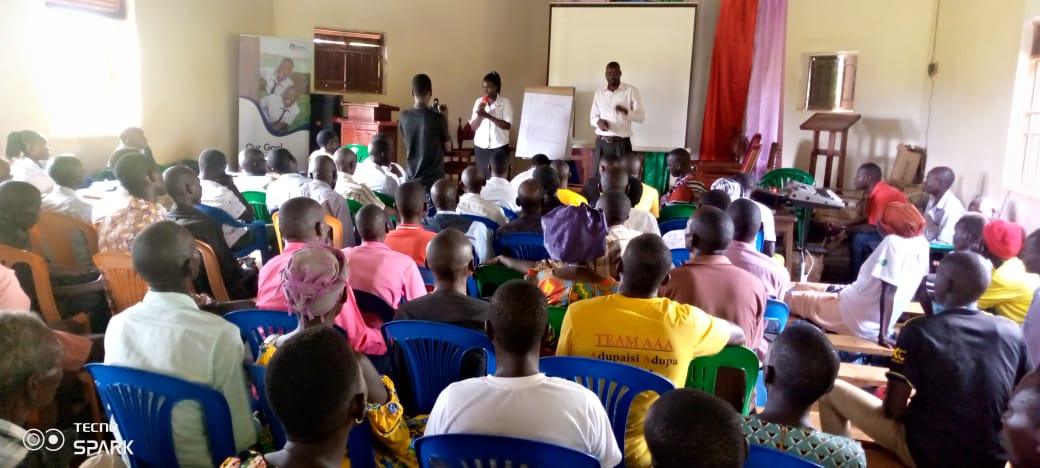
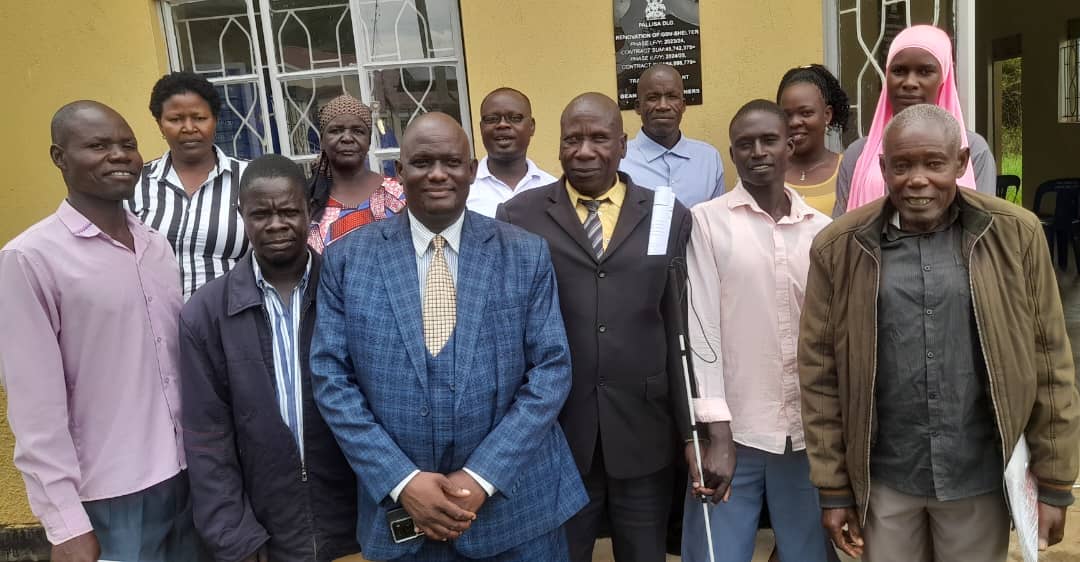
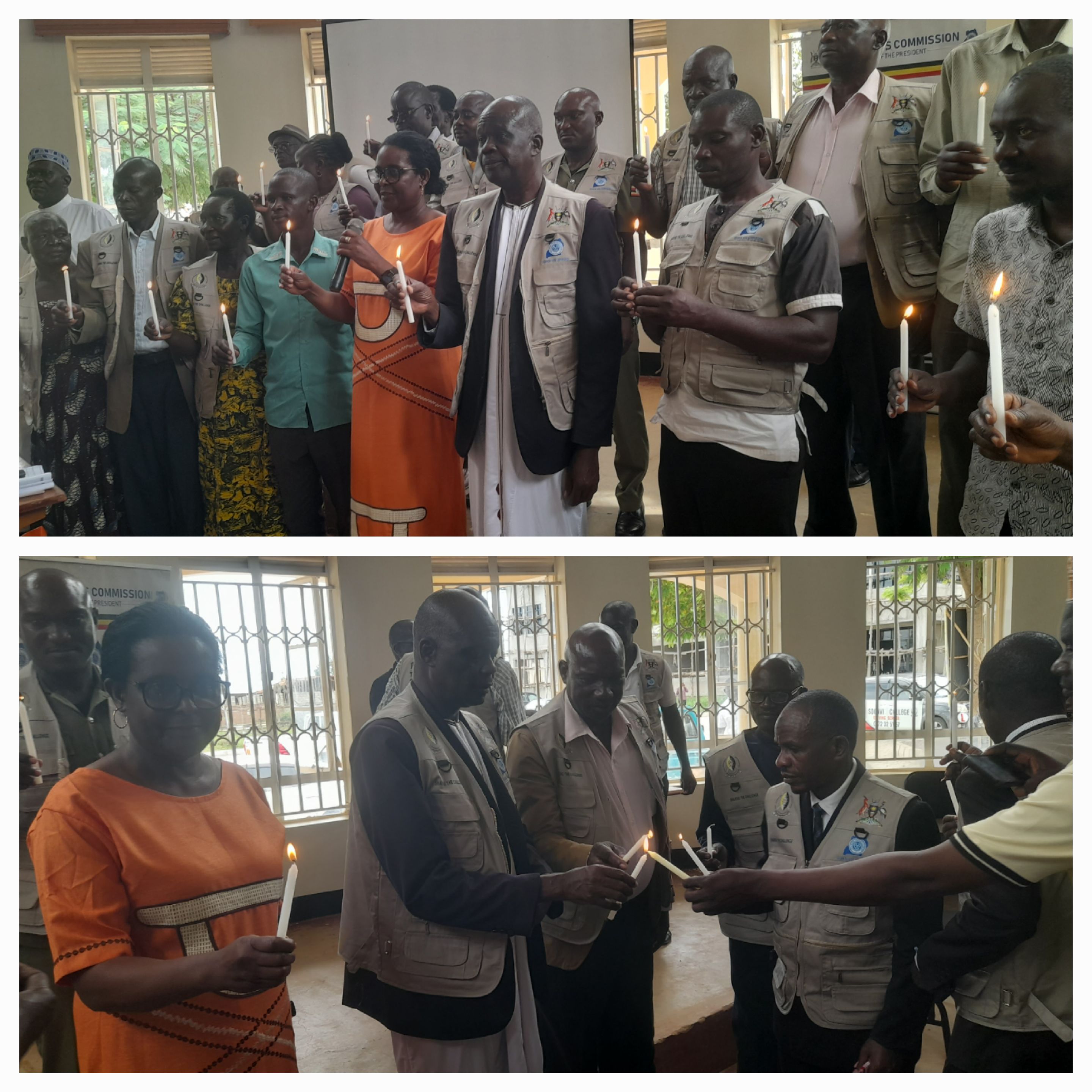
The call was made during a candlelight memorial held at Pallisa District Headquarters, where health officials, community leaders, and residents gathered in solidarity with people living with HIV/AIDS and to honor those who have lost their lives to the disease.
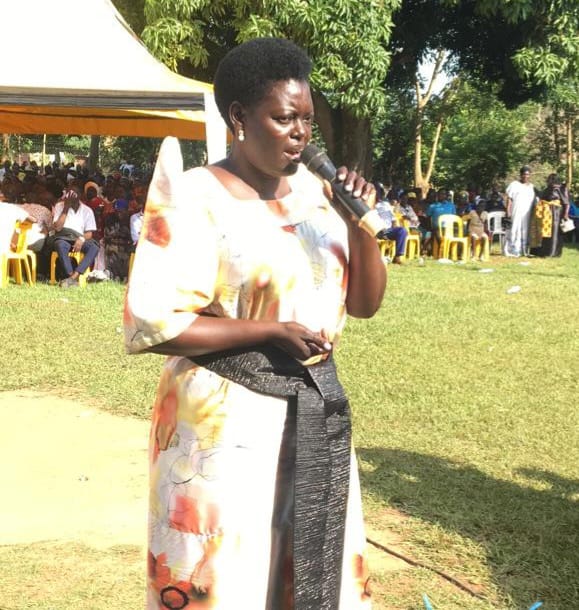
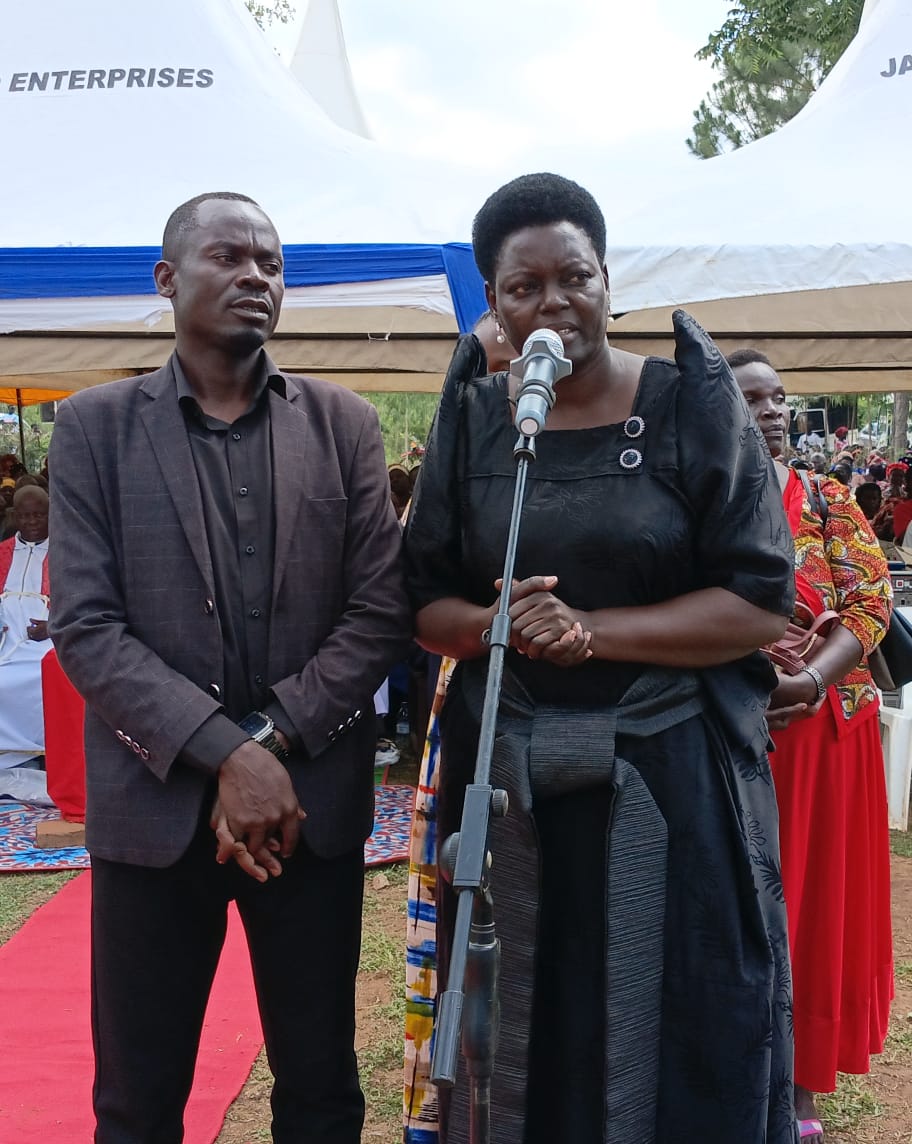
Speaking at the event, Zephyr Kibenge Tanzani, National Director of Human Resources and Administration, condemned the continued stigmatization of people living with HIV, describing it as a major barrier to prevention and treatment efforts.
❝ “It is always good to stand with people living with HIV rather than laughing at them. Anyone can get infected at any time, and stigma only discourages people from seeking testing and treatment.” ❞
— Zephyr Kibenge Tanzani
She emphasized that stigma leads to fear, silence, and delayed treatment, ultimately fueling the spread of HIV within communities.
Also addressing participants, Mary Namwyomba, Zonal Coordinator at the Uganda AIDS Commission, called on leaders to take an active role in educating communities about the key drivers of HIV infections. She noted that awareness and prevention must go hand in hand if Uganda is to reverse rising infection rates.
Namwyomba outlined several major risk factors contributing to the spread of HIV:
Multiple sexual partnerships remain a significant driver, as they increase exposure and accelerate transmission within interconnected relationships. She urged individuals to embrace faithfulness and safe sexual practices.
Gender-based violence continues to put women and girls at heightened risk, as victims often lack the power to negotiate safe sex. Cases of sexual assault also directly expose individuals to infection.
Early marriages and teenage pregnancies were highlighted as another concern, with young girls often exposed to older partners and forced out of school, limiting their ability to make informed decisions about their health.
Poverty and income inequality were also cited as key contributors, pushing vulnerable individuals—especially young women—into risky survival strategies such as transactional sex. School dropouts further worsen the situation by denying young people access to essential sexual and reproductive health information.
Early sexual debut was also identified as a major risk factor, increasing long-term vulnerability to HIV due to lack of knowledge and protection at a young age.
The memorial event served as both a moment of reflection and a renewed commitment to action. Candles were lit in remembrance of lives lost, while leaders called for stronger community engagement and sustained awareness campaigns.
❝ “Ending stigma is not just a moral obligation—it is a necessary step in stopping the spread of HIV and ensuring people seek care without fear.” ❞
— Event Message
Leaders pledged to strengthen outreach programs, promote testing and counseling services, and foster a culture of acceptance for those living with HIV.
As Uganda continues its fight against HIV/AIDS, stakeholders emphasized that defeating the epidemic will require unity, education, and compassion. By addressing root causes and eliminating stigma, communities can reduce new infections and improve the quality of life for those affected.
The message from Pallisa remains clear: an HIV-free future is possible, but only if society stands together to fight both the virus and the stigma surrounding it.