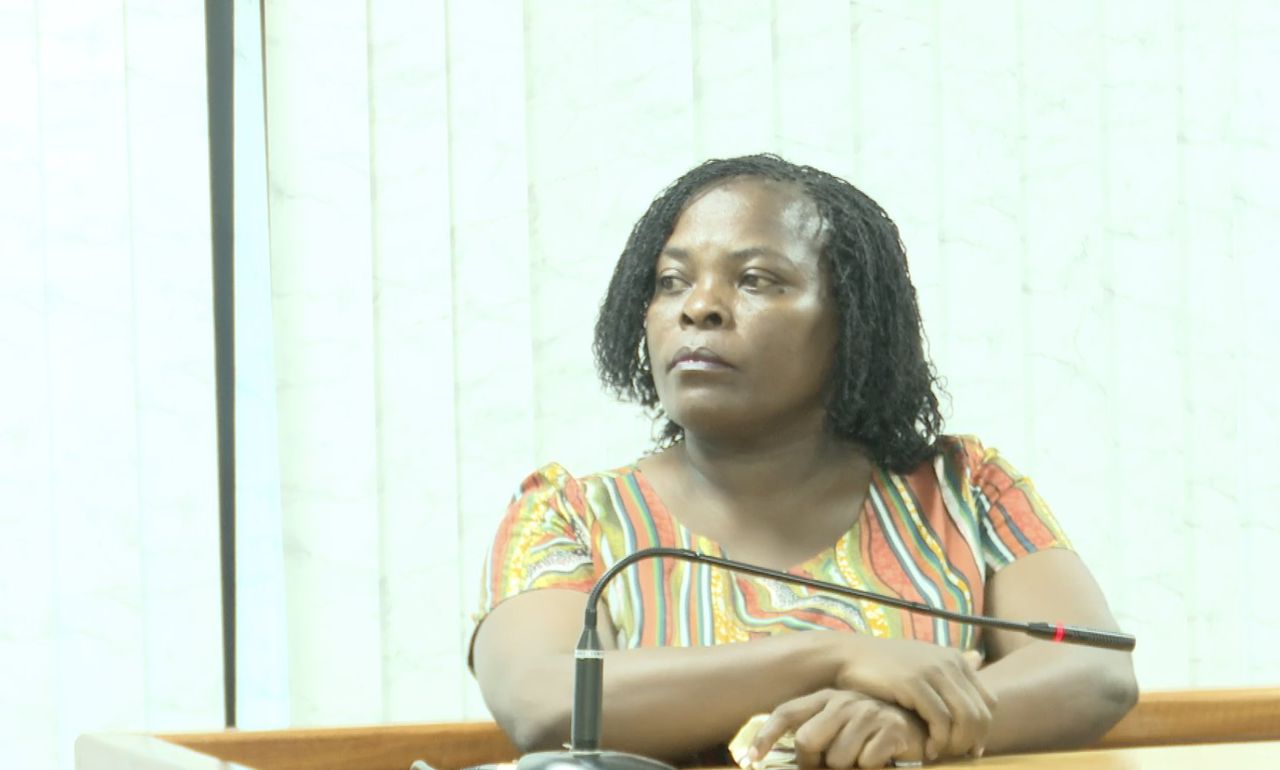
KAMPALA — Uganda’s anti-corruption fight has taken a dramatic turn after former State Minister for Karamoja Affairs, Agnes Nandutu, was convicted and sentenced to four years in prison over the diversion of government iron sheets meant for vulnerable communities.
The ruling, delivered by the Anti-Corruption Court, also imposes a 10-year ban on Nandutu from holding public office, effectively halting her political career for the next decade.
The case stems from the controversial iron sheets distribution program under the Office of the Prime Minister, which was intended to support vulnerable groups, including the Karachuna youth in Karamoja. Investigations revealed that part of the consignment was unlawfully diverted to senior government officials, including Nandutu.
Court findings showed that Nandutu received and retained 2,000 pre-painted iron sheets despite having reason to believe they were meant for a government relief program targeting disadvantaged communities. A significant number of the iron sheets were later recovered from her residences.
In her defense, Nandutu made an emotional appeal before sentencing, asking the court to exercise leniency. “I am a first-time offender, and it’s on such grounds that I request this honorable court to show leniency to me. My health is also not okay; I’m still in and out of the hospital. I’m also a single mother,” she told the court.
Despite the plea, the court ruled that the gravity of the offense warranted a custodial sentence, emphasizing that public officials must be held accountable, especially when entrusted with resources meant for vulnerable citizens.
The ruling marks one of the most significant convictions in Uganda’s ongoing fight against corruption, particularly involving the misuse of public resources. The Karamoja iron sheets scandal has been one of the most widely discussed corruption cases in recent years.
Authorities recovered over 1,600 iron sheets linked to Nandutu, while investigations indicated that others had already been distributed or remain unaccounted for. The court concluded that her actions constituted dealing with suspect property, a punishable offense under Uganda’s anti-corruption laws.
The 10-year ban from public office now casts a long shadow over her political career. Once considered a key figure in government, her conviction serves as a cautionary tale for public servants entrusted with national resources.
Across the country, reactions to the sentence have been mixed. While many Ugandans have welcomed the ruling as a step toward justice and accountability, others have raised concerns about whether all individuals implicated in the wider scandal will face similar legal consequences.
Anti-corruption advocates have praised the judiciary for taking a firm stance, noting that such decisions are essential in restoring public trust in government institutions.
The case highlights broader challenges in ensuring that government programs intended to uplift vulnerable communities are implemented transparently and effectively.
As Nandutu begins her prison sentence, attention now turns to other individuals linked to the scandal, with many Ugandans calling for comprehensive accountability across the board.
The conviction stands as a defining moment in Uganda’s anti-corruption efforts, underscoring the importance of integrity, responsibility, and justice in public service.