By Alfred Opio
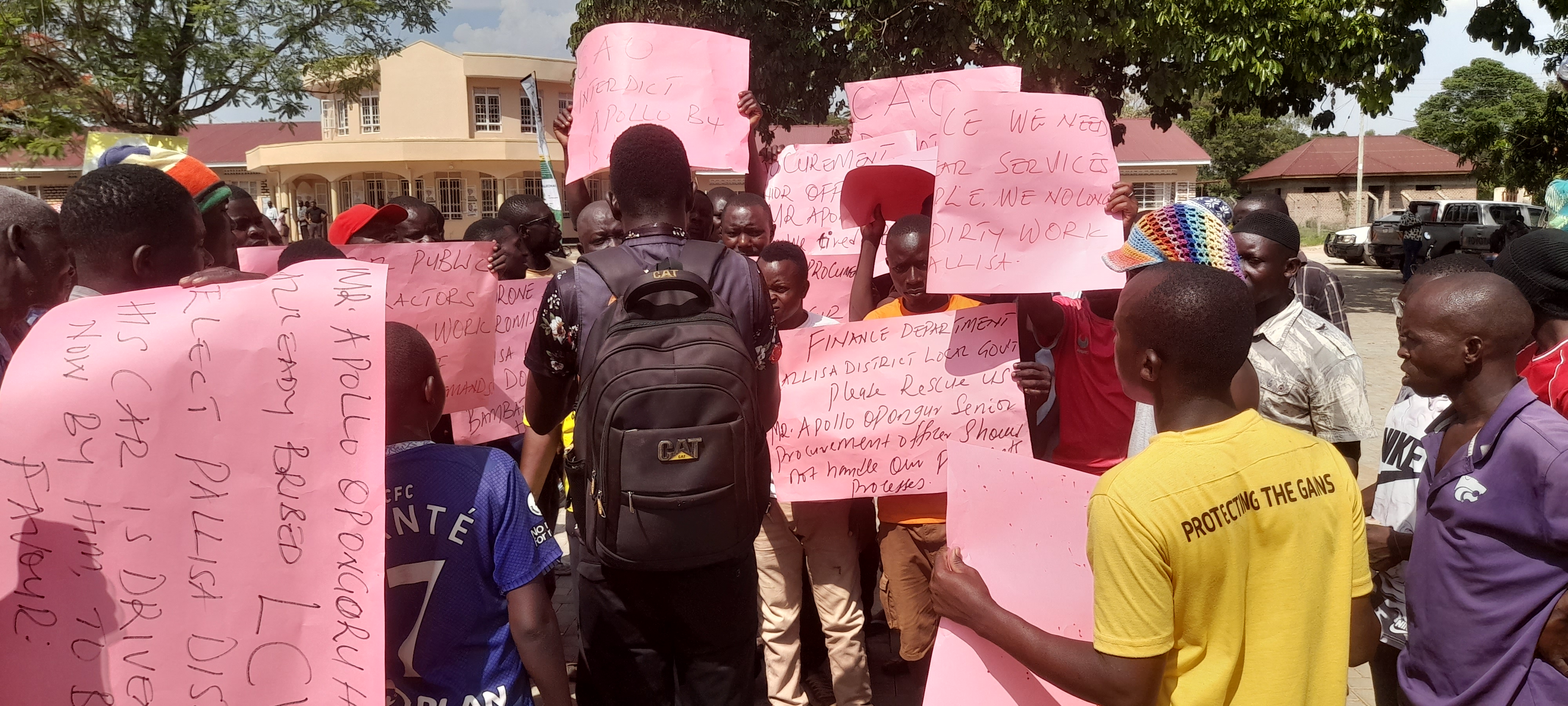
Tension briefly flared at the headquarters of Pallisa District after dozens of casual workers hired under district contractors staged a protest demanding payment of three months’ salary arrears.
The aggrieved workers, some carrying placards and chanting slogans, accused the district procurement office of deliberately delaying their wages despite completing assigned tasks on various public projects.
Most of the workers were engaged in construction-related activities, including mixing sand, ferrying cement to worksites on motorcycles, fetching water, and providing other manual labor at different project locations across the district.
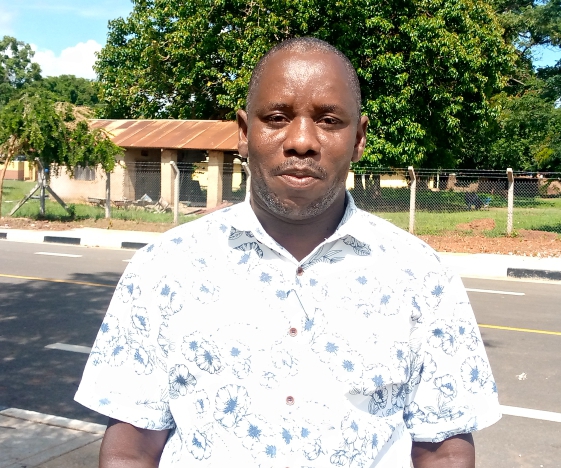
Agenatiyo Ikaja, one of the protest leaders, said each worker is owed between Shs200,000 and Shs400,000 — money he described as critical for their families’ survival.
“We worked diligently and completed our duties, but it is now three months without pay. Some of us cannot feed our families or pay school fees,” Ikaja said. “We don’t understand why such small amounts are taking so long to be paid.”
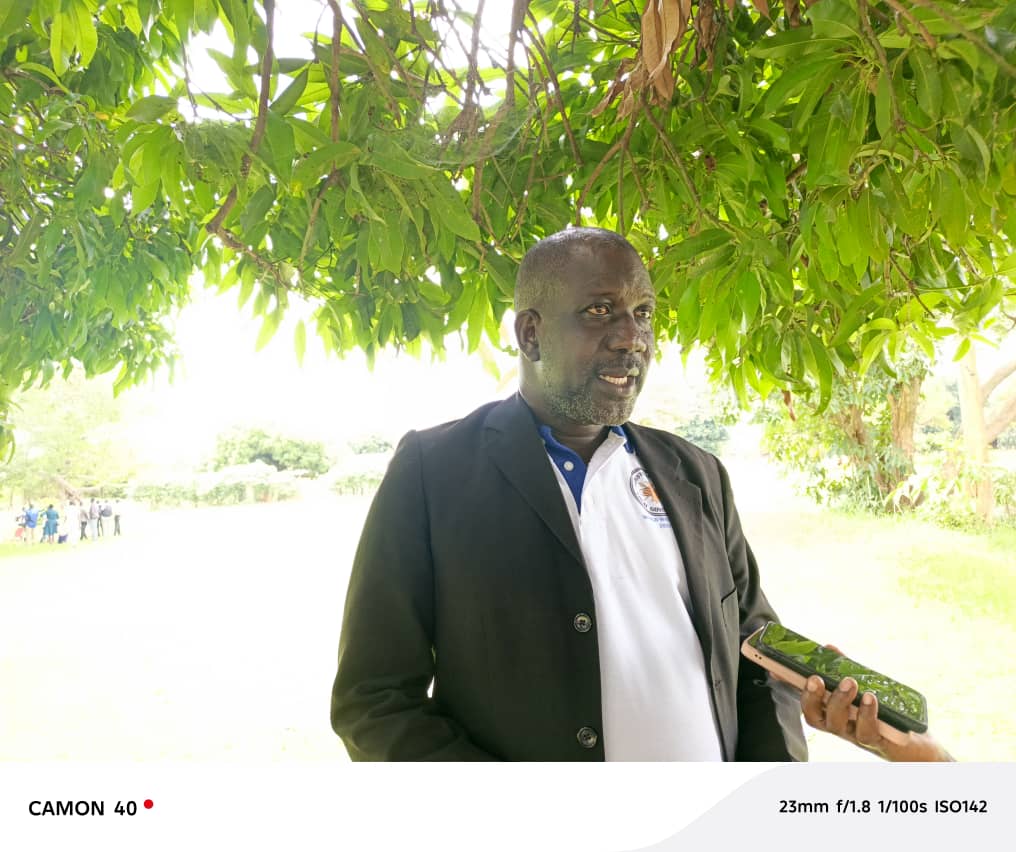
The Chairperson of Pallisa District Entrepreneurs, Ibrahim Aisu, said he had repeatedly raised the workers’ concerns with the district procurement office but claimed no action had been taken.
“I presented their grievances several times seeking intervention, but nothing was done. That is why we mobilized to protest so that the authorities could listen,” Aisu explained.
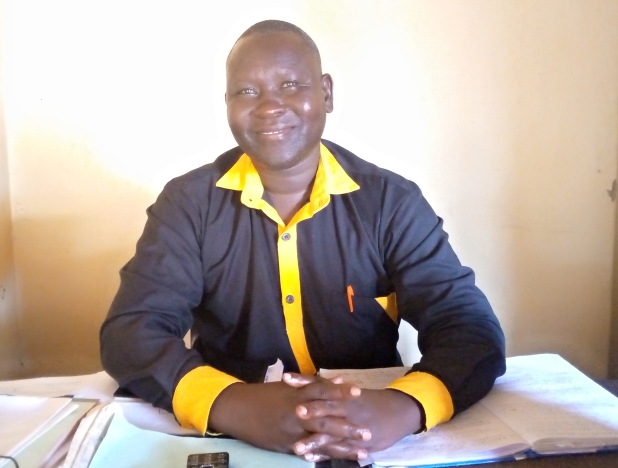
However, District Procurement Officer Apollo Opongoru acknowledged the delay and attributed it to pending government fund releases rather than negligence.
“We understand their concerns. The delay is due to the non-release of funds. Once the money is received, all arrears will be cleared within the shortest time possible,” Opongoru assured, urging the workers to remain calm.
The demonstration temporarily disrupted operations at the district headquarters before calm was restored.
District authorities have yet to provide a specific timeline for the release of funds, leaving many workers uncertain about when they will receive their pay.