By Vicent Emong
A growing number of family breakups in Atutur Sub-county, Kumi District, has raised concern among local leaders, with financial hardship emerging as the leading cause of domestic conflict.
Local Council One Chairperson Charles Ariebi says many households are under pressure as men struggle to meet basic family responsibilities due to unstable incomes and limited economic opportunities.
According to Ariebi, the situation has reached alarming levels, with frequent disputes being reported at the community level.
❝ “Most of these cases are related to financial stress. When a man cannot provide basic needs like food, clothing, and school requirements, it creates conflict in the family.” ❞
— Charles Ariebi
He revealed that he handles close to ten cases of family disputes and separations every week, highlighting the scale of the problem within the community.
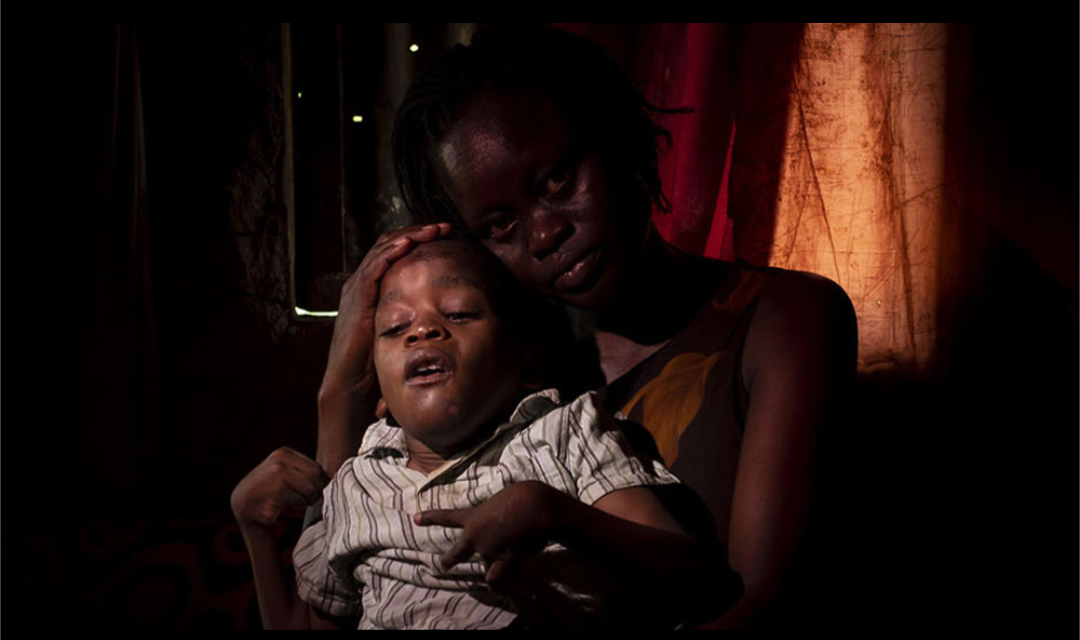
In one of the most severe cases, Ariebi recounted how a woman abandoned her husband and left behind a three-year-old child due to prolonged financial difficulties—a scenario he says is becoming increasingly common.
The trend reflects broader economic challenges affecting households across Kumi District, where many families rely on subsistence farming and informal businesses that generate minimal income.
In some instances, residents are unable to afford basic necessities such as clothing and footwear, forcing them to endure harsh living conditions.
Ariebi also pointed out a shifting dynamic within households, where women engaged in small-scale businesses—such as selling omena (silver fish)—are increasingly becoming the primary providers.
❝ “Women who run small businesses are able to support their families and have fewer conflicts at home. But those without any income face many disputes.” ❞
— Charles Ariebi
He noted that families with stable sources of income tend to experience fewer disagreements, underscoring the direct link between economic stability and household harmony.
In response to the growing crisis, Ariebi has called on the government to fast-track the implementation of the Parish Development Model, a program aimed at boosting household incomes and supporting grassroots economic development.
❝ “Our people need support to start small businesses and improve their livelihoods. If incomes improve, many of these family conflicts will reduce.” ❞
— Charles Ariebi
Local leaders and residents remain hopeful that increased access to financial support, skills training, and business opportunities will help restore stability in families and reduce the rising cases of separation.
The situation in Atutur highlights the broader impact of economic hardship on social structures, with leaders urging urgent intervention to address poverty and strengthen family resilience across the district.