By Vincent Emong
KUMI — Leaders in Kumi District have blamed long-standing administrative failures for the recent strike at Kumi Technical Institute, citing negligence, poor communication, and unresolved student grievances as key triggers of the unrest.
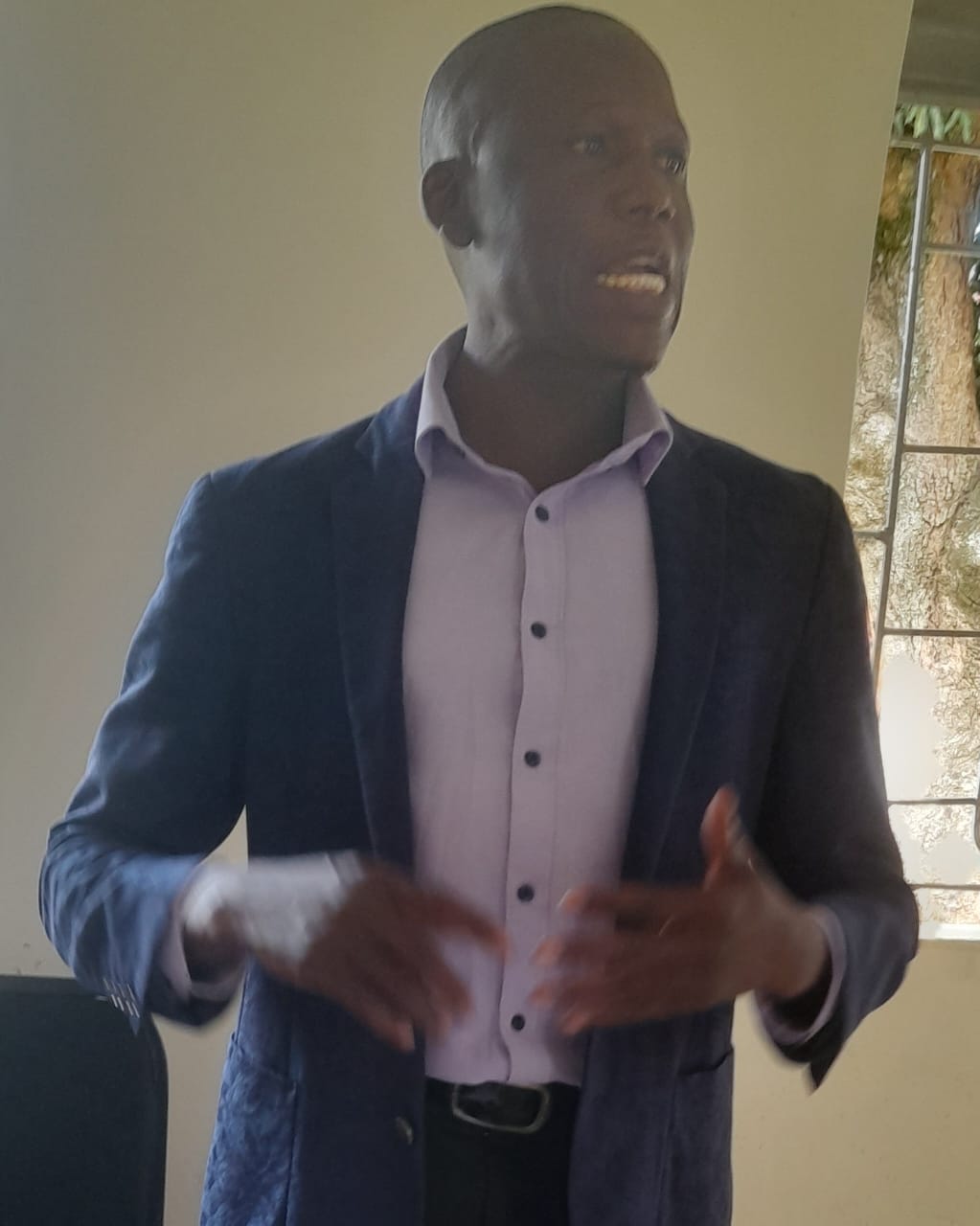
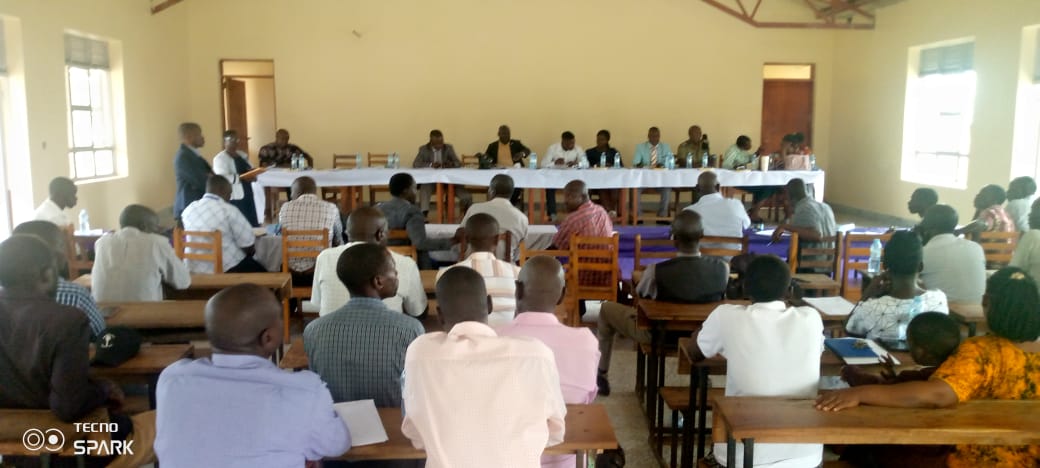
Speaking during a stakeholders’ meeting convened after the incident, Deputy Resident District Commissioner James Kyomya said the strike was not spontaneous but the result of issues that had been building over time.
“This was not a one-day event. These issues have been boiling for a long time,” Kyomya said. “There is clear negligence from the management. Learners are missing food, paying for services, and not seeing any impact.”

He highlighted governance gaps at the institution, including failure to hold annual general meetings and irregular engagement with staff and students.
“There is a serious gap. Teachers’ meetings are not being held, and student concerns are not being addressed,” he added.
Kyomya revealed that investigations are ongoing, with at least five students identified as suspected ringleaders.
“Those involved in destruction of property must be held accountable and will be required to compensate for the damages,” he said.
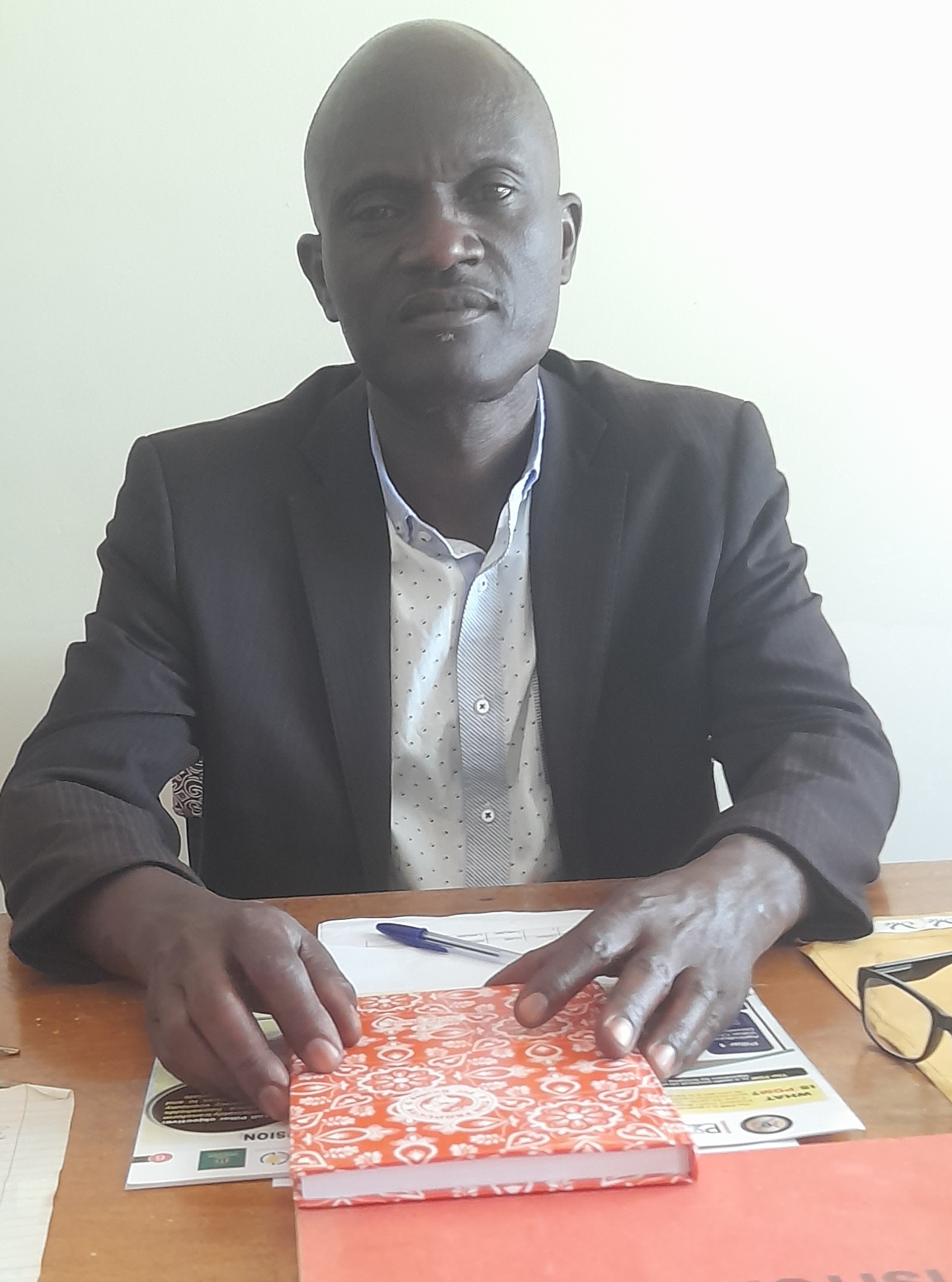
However, the institute’s head trainer, Gerald Nsubuga, denied responsibility, describing the accusations as unfair.
“When I hear that I caused this, it is disturbing,” Nsubuga said. “I was at school throughout the day, and after leaving, I received calls about the unrest. I rushed to the police to help restore calm.”
He noted that management had held meetings to address the situation and expressed hope that normal learning would resume soon.
“Now that calm has returned, we are preparing to restart studies and encouraging teachers to resume lessons,” he said.
Kumi Municipality Deputy Town Clerk Herald Wejule condemned the destruction of property but acknowledged that the strike could have been prevented.
“Destruction of property is unacceptable, but the key question is whether this could have been avoided—and the answer is yes,” Wejule said.
He stressed the importance of communication between students and school management.
“If there is no engagement with students, then the administration is failing. These issues have been there for some time,” he added.
Student leaders also voiced frustration over persistent welfare challenges. Guild Prefect Benjamin Okure said their concerns had repeatedly been ignored.
“Our issues are not handled, and no one listens to us,” Okure said. “We have been struggling with poor sanitation, inadequate food, and poor dormitory conditions for a long time.”
He also raised concerns about lack of accountability in funds collected for services.
“We pay for materials and other services, but we don’t see results. That is what caused frustration among students,” he said.
Meanwhile, Kumi Central Police Station District Police Commander Ndawula Timothy called for stronger discipline and preventive measures in schools.
“Community policing is key to preventing strikes. Any society that undermines discipline is heading in the wrong direction,” Ndawula said.
He confirmed that investigations are ongoing and directed the Criminal Investigations Department to fast-track arrests of those involved.
The strike caused significant destruction of property, including computers, windows, and internet infrastructure, leaving the institution facing heavy financial losses.
Authorities have called for collective efforts from school management, students, and government officials to restore order and prevent similar incidents in the future.