By Vicent Emong
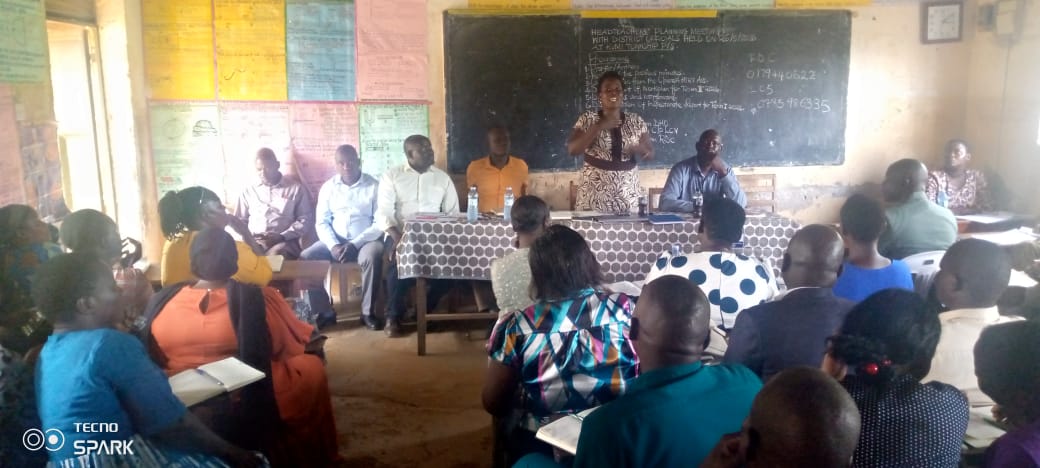
Education leaders in Kumi Municipality have raised concern over the growing shortage of teachers’ accommodation in government-aided primary schools, warning that the housing crisis is undermining effective supervision and negatively affecting learners’ academic performance.
Headteachers say the lack of staff houses within school compounds has forced many teachers to rent homes far from their duty stations, resulting in persistent late coming, absenteeism, and reduced instructional time.
At Abubur Primary School, headteacher Helen Asio said the situation has made it difficult for administrators to monitor staff attendance and performance.
“It is hard to closely supervise teachers who do not reside at school,” Asio explained. “Some come late because they travel long distances every morning, while others are frequently absent from work claiming they are not well. This disrupts the learning process of our pupils.”
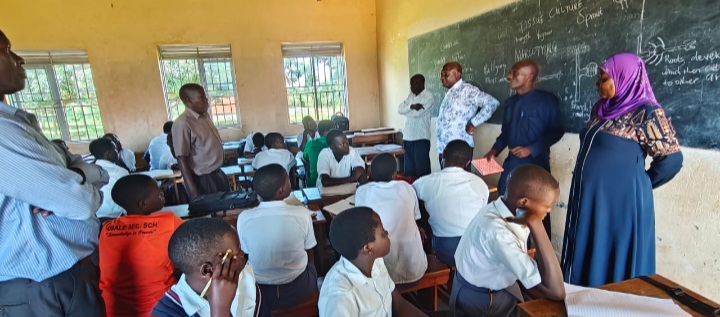
She noted that missed or delayed lessons often leave pupils unattended or force teachers to combine classes, affecting syllabus coverage and overall performance. Lower primary classes, she added, suffer the most since young learners require constant guidance and structured learning time.
Similar concerns were echoed at Amejei Primary School, where headteacher Agriphin Ademun said the school struggles to maintain consistent academic standards due to inadequate staff housing.
“When teachers stay outside the school, monitoring punctuality and preparation becomes very difficult,” Ademun said. “Lessons are either rushed or missed completely, which directly affects learners’ progress.”
He emphasized that teachers living within school premises are easier to mobilize for early morning classes, remedial lessons, and co-curricular activities. However, many now reside in distant trading centers and villages, where transport challenges further hinder regular attendance.
Education stakeholders argue that investing in teachers’ accommodation would significantly improve discipline, accountability, and time management. They believe that providing on-site housing would not only enhance teacher presence but also strengthen learning outcomes in government schools.
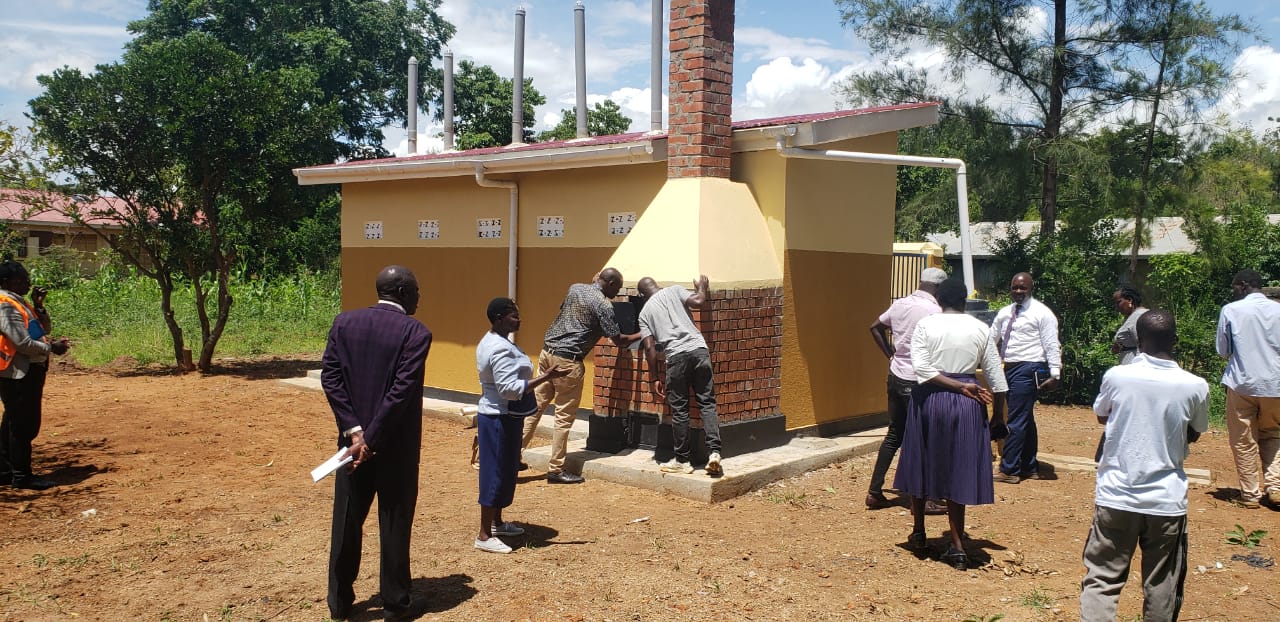
Despite the concerns, the municipal education department has prioritized the construction of classroom blocks and pit latrines in the current financial year, leaving teacher housing needs largely unaddressed.
As infrastructure gaps persist, headteachers are now appealing to local authorities and the government to prioritize staff housing as a critical intervention to safeguard the quality of education and ensure learners receive the attention they deserve.