By Vicent Emong
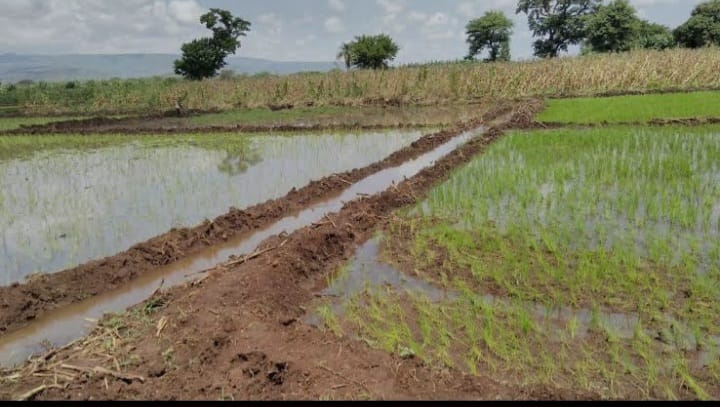
KUMI — Farmers in Kumi District have been accused of underutilizing micro-scale irrigation systems established under the Uganda Intergovernmental Fiscal Transfers (U-GIFT) program despite heavy government investment aimed at improving agricultural productivity and household incomes.
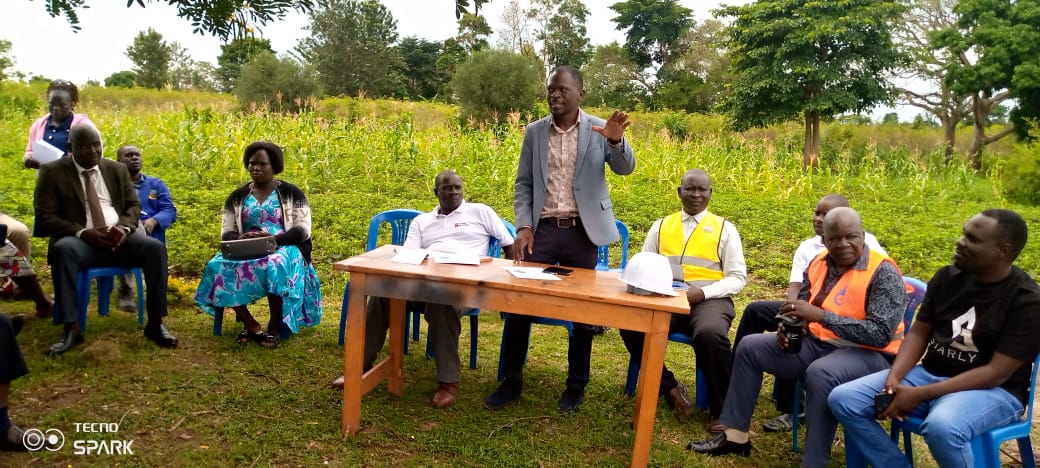
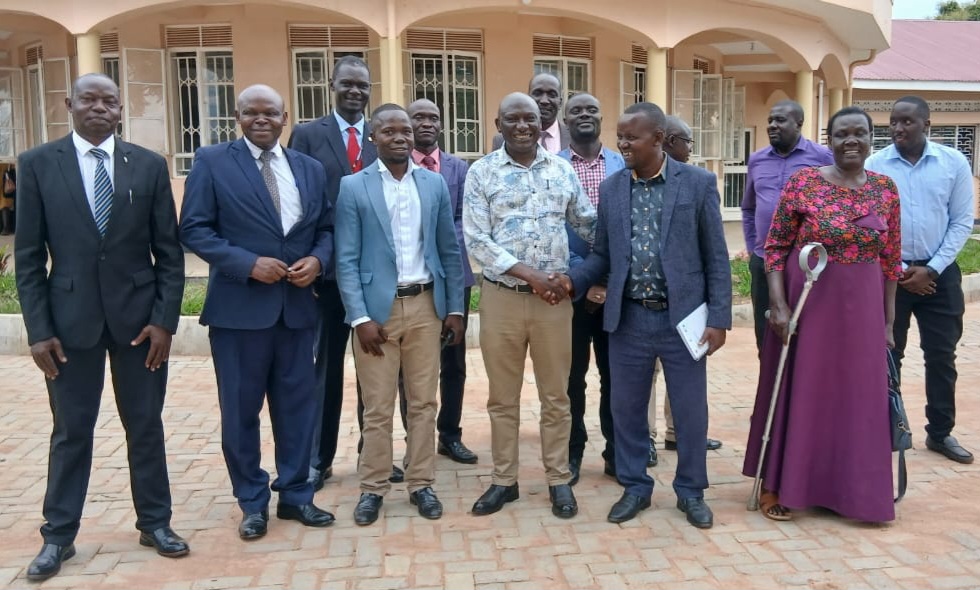
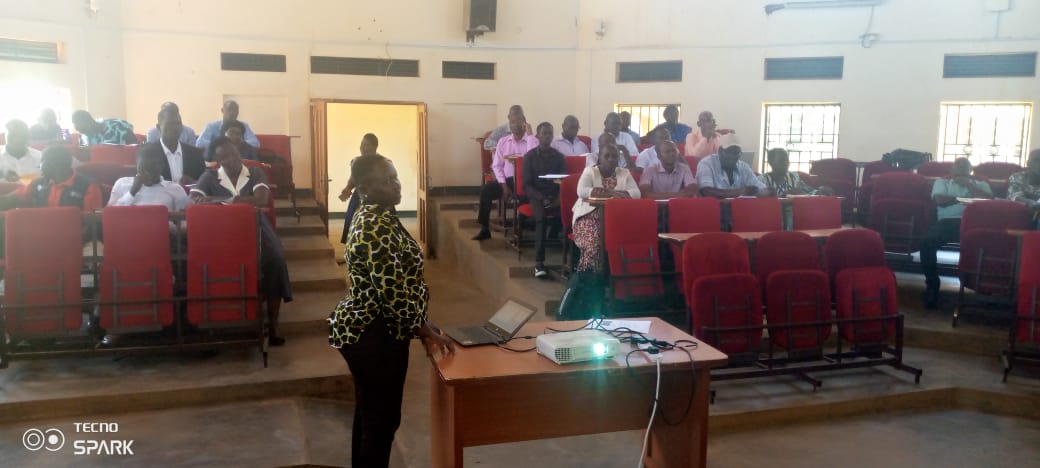
The concerns were raised during an engagement meeting between beneficiary farmers, district officials, and representatives from the Ministry of Agriculture, Animal Industry and Fisheries (MAAIF).
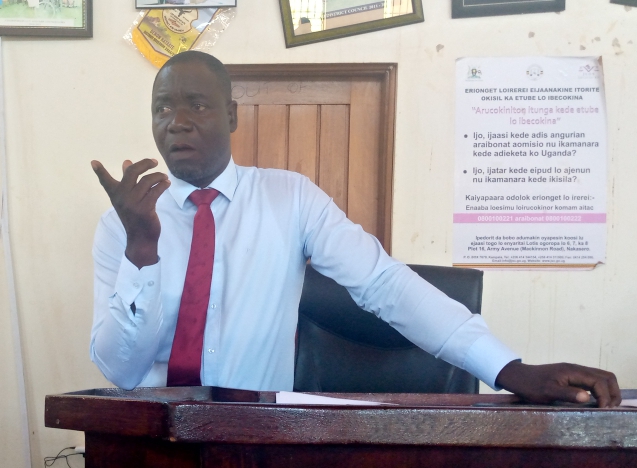
Speaking during the meeting, the Senior Agricultural Engineer for Kumi District, Agnes Adikini, expressed frustration over the increasing number of abandoned irrigation facilities across the district.
“We installed a total of 32 irrigation systems in Kumi District, including seven demonstration sites and 25 beneficiary-owned systems where farmers co-funded the projects,” Adikini explained. “While some farmers are utilizing the systems effectively and harvesting crops successfully, others have completely abandoned them.”
According to Adikini, the district organized the meeting after monitoring visits conducted during the dry season revealed that several irrigation-supported gardens had been left idle.
“We visited many gardens during the dry season and found them empty. Some farmers had not planted anything at all. Yet these irrigation systems were specifically introduced to support production during dry periods,” she said.
Under the U-GIFT arrangement, farmers contribute 25 percent of the project cost while the government finances the remaining 75 percent.
Adikini noted that Kumi District currently operates three major irrigation technologies under the program, including drip irrigation, sprinkler irrigation, and hosepipe irrigation systems.
She emphasized that farmers could greatly improve their incomes if they fully embraced irrigation farming, especially during dry seasons when prices for vegetables and other produce rise significantly.
“In Kumi market today, a kilogram of tomatoes can cost up to Shs4,000, and most of these vegetables are being brought from outside the district,” she said. “If our farmers fully utilized these irrigation systems to grow tomatoes, onions, and other high-value crops during the dry season, they would make huge profits while also lowering prices for consumers.”
Adikini urged farmers to invest in quality seeds and maintain year-round production instead of relying solely on rain-fed agriculture.
“It makes no sense for farmers to contribute money toward these irrigation systems and then leave them idle,” she stressed. “We encourage farmers to remain resilient and use the two dry seasons every year as opportunities to improve their livelihoods.”
Meanwhile, Ibrahim Casango, an engineer with MAAIF and Deputy Coordinator of the U-GIFT Innovation Program in the Bukedi sub-region, praised Kumi District for its overall performance in implementing the irrigation initiative.
“Kumi District has consistently performed well under Cluster 11. At one point the district ranked seventh nationally, and even after changes in the rankings, Kumi remained among the best-performing districts,” Casango said.
He commended district leaders and technical officers for their commitment in implementing the program and supporting farmers across the district.
Casango acknowledged that the irrigation project has faced several challenges, including limited technical knowledge among some beneficiaries, changing weather conditions, and maintenance issues affecting some irrigation facilities.
However, he encouraged farmers to take ownership of the systems and maximize the opportunities created by government support programs.
District officials believe that if properly utilized, the irrigation systems will not only improve food security but also increase household incomes and strengthen commercial agriculture in Kumi District.