By Vicent Emong
KUMI — Education leaders in Kumi Municipality have sounded the alarm over a growing school dropout crisis, warning that thousands of children are leaving classrooms and drifting into risky and unproductive lifestyles.
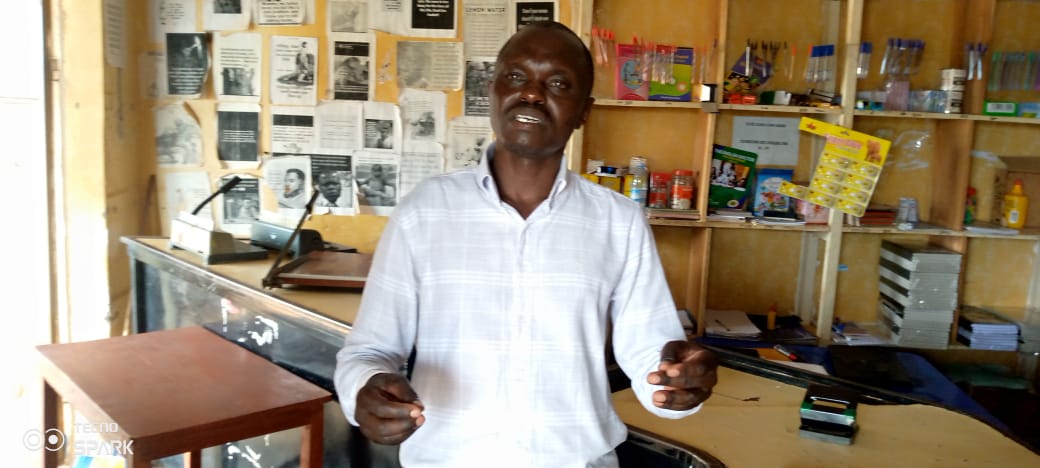
The concern was raised by Francis Omanikor, the Municipal Inspector of Schools, who described the situation as deeply troubling. According to him, many schools enroll over 200 pupils in Primary One, but only a fraction make it to Primary Seven.
“In some schools, you find 225 learners in P1, but only about 65 remain in P7 to sit for PLE. Where do our children go?” Omanikor questioned.
He said the trend is widespread across the municipality and reflects a deeper breakdown in parental responsibility and community support systems.
“These children don’t just disappear—they end up in the community, often engaging in theft, violence, and other crimes. We are creating a problem for ourselves,” he warned.
Omanikor urged parents, clan leaders, and local authorities to take a more active role in ensuring children stay in school, noting that traditional systems of accountability have weakened.
“Clan leaders used to ensure every child was in school. Today, we must revive that spirit and take responsibility,” he said.
Despite the availability of government-supported schools and technical institutions such as Kumi Technical School, SOGAVI, Alpha Training School, and the Kumi Tailoring Initiative, enrollment remains low—often below 300 students. Many of those enrolled come from outside Kumi, raising further concerns about local participation.
At the same time, the dropout rate between Primary Three and Primary Seven is estimated to exceed 2,000 children.
“These children are not in school, and they are not at home. They are somewhere else living risky lives,” Omanikor explained. “Some return and begin selling family property or engage in theft, leading to conflicts and police cases.”
He cited cases where children who dropped out have been involved in disputes after attempting to sell livestock or household assets, often blaming their parents for failing to educate them.
In extreme cases, entire communities have felt the impact. At Okouba Primary School alone, over 1,000 pupils reportedly dropped out within two years, many of whom remain within the area and are linked to rising insecurity.
Omanikor attributed the crisis to parental neglect, lack of guidance, and poor role modeling.
“Some parents have abandoned their responsibilities. Alcoholism and poor parenting are contributing to this crisis,” he said.
He contrasted the situation with other regions where communities actively support education through collective initiatives such as fundraising for school fees.
“In some places, leaders mobilize resources to educate children up to university. In Kumi, we are still struggling with basics,” he noted.
Deputy Resident District Commissioner James Kyomya echoed the concerns, emphasizing that government has already put in place free education programs under Universal Primary Education (UPE) and Universal Secondary Education (USE).
“Government has done its part. We do not expect children to drop out when education is provided for,” Kyomya said.
He called for a united effort from parents, leaders, and communities to ensure children complete their education.
“This is a shared responsibility. We must all work together to bring these children back to school,” he urged.
As the crisis deepens, leaders say urgent action is needed to track missing learners, strengthen community involvement, and restore the culture of education.
For Kumi residents, the question remains: where are the missing children—and who will take responsibility for bringing them back to school?